
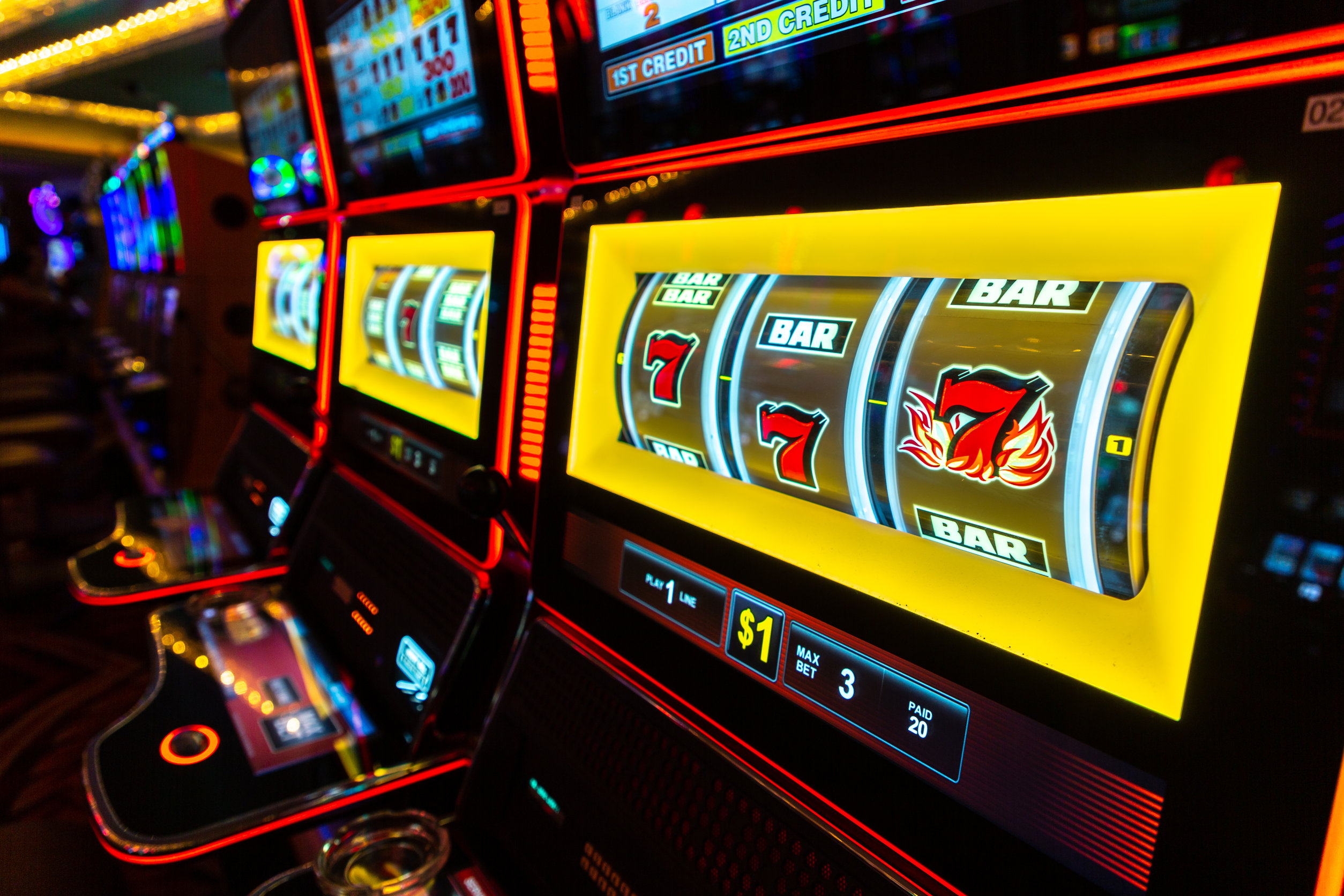
For those who enjoy online slots in Canada, you have likely heard whispers about their inner workings https://9masksoffire.net/. As someone who reviews these games, I can assure you the algorithm is the part most players get wrong. I want to discuss the 9 Masks of Fire slot, a slot that has become popular from Ontario to British Columbia. Players often come in with ideas about “hot” machines or “cold” streaks. I’m here to exchange those stories for something more useful: a straight look at the game’s Random Number Generator and its Return to Player percentage. Knowing this stuff won’t make you win. What it will do is alter how you play. It helps you handle your funds better and establish realistic goals. That knowledge is your strongest advantage for playing responsibly and getting value for your money.
The Core: How Does a Slot Algorithm Operate?
When I mention a slot algorithm, what I’m referring to is the game’s digital brain. This is the Random Number Generator, or RNG. Picture a piece of software that produces thousands of number sequences every single second, non-stop. The moment you press the spin button, the RNG grabs the very next number in its infinite line. That number is then matched to a specific outcome on the reels. For 9 Masks of Fire, this process decides where those colorful masks, the wilds, and the scatters land. It all happens instantly. Crucially, this system has no memory. It doesn’t know if you just won or lost. It doesn’t attempt to balance things out. Every spin is a fresh event, driven by a complex math formula that’s been verified for fairness by independent labs.
Variance and Win Rate in 9 Masks of Fire
This is where 9 Masks of Fire reveals its character. I’d place this slot in the moderate to high volatility category. That feature is embedded right into the game’s code through how the symbols and prizes are arranged. A high-volatility game is configured to deliver wins less often. But when wins do come, they usually be bigger. With 9 Masks of Fire, you’ll experience patches of spins where nothing pays out. That’s the volatility at work, not a signal the machine is faulty or “cold.” The flip side is the chance for bigger payouts, especially in the bonus rounds. Understanding this is crucial for planning your money. For this game, I advise starting with a session budget that can handle the dry spells the algorithm is designed to create.
How the Algorithm Creates Volatility
The game’s volatility comes straight from its math model. The developers give each symbol on each reel a specific probability weight. In a high-volatility configuration like 9 Masks of Fire, the valuable symbols have a low weight, signaling they appear less frequently. The lower-paying symbols have a higher weight and occur more often. This design generates the classic high-volatility sensation: fewer wins, but more significant ones. The algorithm isn’t simply choosing when to be giving. It just follows this weighted distribution on every spin, which creates the volatile feel you get over time.
In what manner Bonus Features Are Triggered Algorithmically
The bonus spins and bonus rounds in 9 Masks of Fire are certainly not magical. They’re merely specific outcomes written into the code. When the RNG generates a number sequence that fulfills the requirement for three or more scatter symbols, the bonus round code kicks in. The algorithm selects this trigger with the identical cold randomness as a regular spin. There’s not any secret meter filling up. Every spin has the very tiny, fixed chance of starting the feature, a chance computed to fit the game’s stated volatility and RTP. Even after you trigger the bonus, details like the number of free spins or the size of multipliers are typically picked by the RNG right at that moment.
What the Algorithm Controls (And What It Does Not)
Let’s draw a sharp line around what the 9 Masks of Fire algorithm actually performs. It determines the randomness of every symbol on every spin. It handles the triggering of bonuses and what happens within them. It is designed to achieve the published RTP and volatility targets over a massive number of plays. Now, here is what it absolutely does not influence: your betting choices, how much money you take to a session, when you opt to walk away, or how you respond when you win or lose. As a player in Canada, you are in control of all those aspects. The algorithm is a fixed set of rules. Your strategy and decisions are the dynamic parts.
Fairness and Governance for Canadian-based Players
If you are gaming in a regulated market like Ontario, the game’s fairness is not just a claim, it is legally required. Any casino offering 9 Masks of Fire to Canadians must have a license from a provincial body like the AGCO in Ontario, or another reputable jurisdiction. These licenses mandate the game’s RNG and overall algorithm to succeed in certification from independent testing labs. These labs run simulations spanning billions of spins. They confirm that the RTP is accurate and that the outcomes are truly random. You can normally find a certification seal and the official game RTP shown right in the paytable. This layer of regulation is your assurance that the algorithmic workings we’ve talked about are implemented fairly.
Random Number Generator (RNG) Clarified
The RNG ensures games like 9 Masks of Fire honest. We’re not talking about a simple dice roll at all. These are sophisticated cryptographic programs constructed to produce results that are random by design and unpredictable. In controlled markets like Ontario’s iGaming scene, this software undergoes serious scrutiny. Auditors from groups like eCOGRA or iTech Labs perform regular checks. They test to make sure no patterns are present and that every single symbol combination has an equal shot at landing when you spin. Your bet size has no effect to the RNG. Your player status doesn’t matter. The time on the clock is meaningless. Its only job is to assure that each and every game round is random and unpredictable.
Understanding Pseudo-Randomness
Here’s a specialized point: most slots in reality use a Pseudo-Random Number Generator. That word “pseudo” can make people uneasy. It ought not. All it means is the number sequence starts from a specific point, called a seed. This seed often originates from something chaotic, like the exact millisecond you opened the game. The sequence that comes next is so incredibly long and tangled that, for anyone playing, it’s as good as truly random. You can’t crack it or foretell it. So while the sequence is mathematically determined in theory, in practice it’s impossible to tell apart from pure chance. This framework is what gives you a fair game.
The fallacy of “Due” victories and Hot/Cold Patterns
I encounter this one constantly, and I need to be blunt: the 9 Masks of Fire algorithm does not operate on a slot being “overdue” for a win. It doesn’t believe in “winning” runs as well. This idea is called the gambler’s fallacy. Because each round is its own independent event, previous outcomes has no influence on future results. Following twenty consecutive losses, your odds of winning on spin twenty-one are exactly identical as they were on spin number one. The game doesn’t track results. It does not attempt to even things out. Accepting this can actually be freeing. It lets you enjoy wins as pure luck and view losses as part of the game’s ebb and flow.

Return to Player (RTP): The fundamental Algorithm’s Extended Design
View the RNG as the manager of chance for each spin. The Return to Player percentage, or RTP, is the algorithm’s extended business plan. For 9 Masks of Fire, that figure typically stands at about 96.3%. Here’s what Canadian players need to grasp: RTP is a theoretical average determined over millions and millions of spins. It doesn’t inform you what will happen in your next ten minutes of play. The algorithm utilizes the RTP as a reference. Over a near-infinite number of spins made by everyone, the total money paid back should hover around 96.3% of all the money wagered. It’s a valuable number for assessing different games and their style of play, but never expect it to be a crystal ball for your session.
Useful Tips for Engaging with Algorithmic Awareness
So considering this, how ought you to play 9 Masks of Fire? I recommend a strategy that acknowledges how the algorithm functions.
- Treat the game as paid entertainment. The RNG produces results random. This is not a side hustle or an investment.
- Use volatility for selecting your bet size. Lower bets enable your bankroll endure longer and survive the algorithm’s built-in swings.
- Refrain from chasing losses. Chasing contradicts the basic fact that spins are independent. Past losses have no effect on future odds.
- Utilize the responsible gambling tools. Configure deposit limits and session timers. Every licensed Canadian casino provides them. They put you in the driver’s seat.
Typical Random Number Generator Misconceptions to Discard
In conclusion, we’ll confront some persistent myths that Canadian players should leave behind. Ditching these will cement your comprehension.
- “The slot is due for a payout.” That’s the gambler’s fallacy. All spins are separate.
- “Changing my bet size will activate the bonus.” The trigger is random. Your bet size has no influence on the RNG’s bonus selection.
- “I have better odds playing at certain hours.” The algorithm runs 24/7. Your random sequence is unaffected by player count.
- “New games pay out more.” The RTP is fixed in the software. How long a game has been on a site doesn’t change its core math.